Lens comparison: see what each focal length frames on your camera
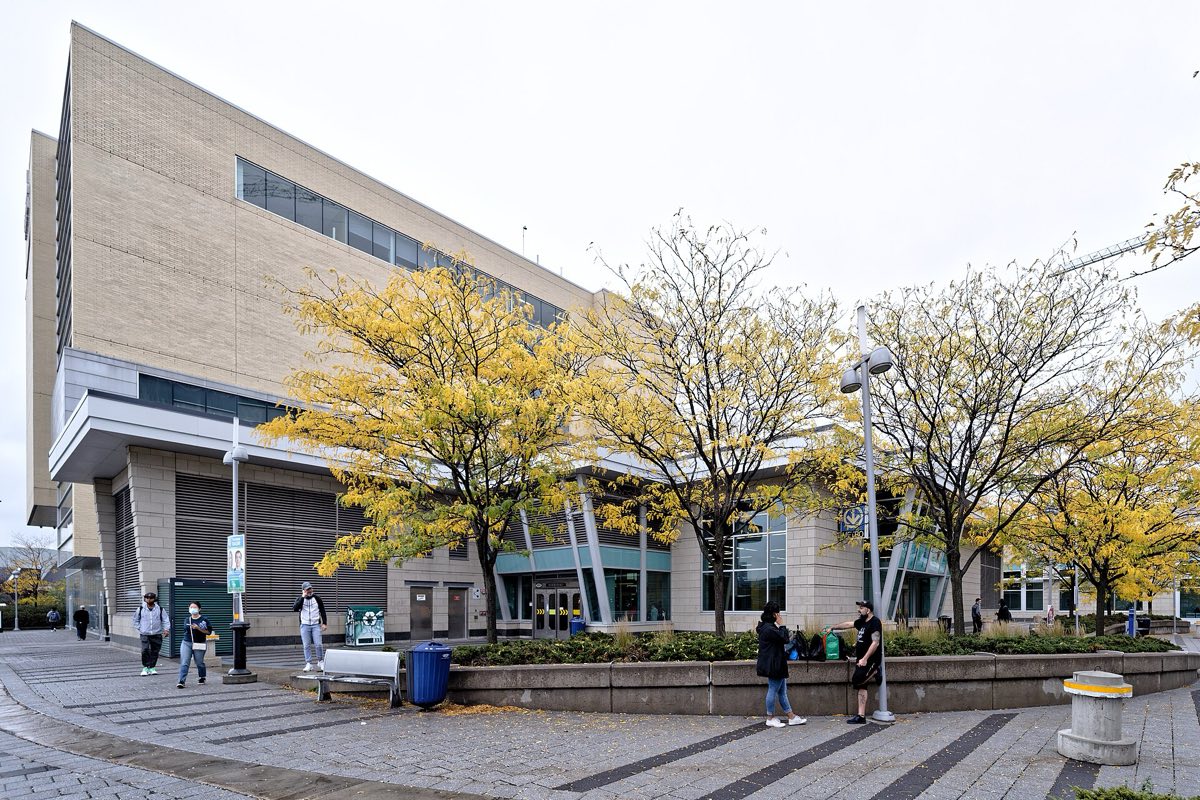
Pick your camera and the focal lengths or zoom you're deciding between. The frames show what each lens would capture from the same spot, and the table shows how much it covers and how far to stand. Use one of our sample photos or your own; your photo never leaves your browser.
The same framing on different sensors
To frame like a full-frame lens on a smaller or bigger sensor, divide by the crop factor. The table shows the focal length you need on each format.
| Full-frame look | APS-C 1.5x | Canon APS-C 1.6x | Micro Four Thirds 2x | 44 x 33 medium format 0.79x |
|---|---|---|---|---|
| 24 mm | 16 mm | 15 mm | 12 mm | 30 mm |
| 35 mm | 23 mm | 22 mm | 18 mm | 44 mm |
| 50 mm | 33 mm | 31 mm | 25 mm | 63 mm |
| 85 mm | 57 mm | 53 mm | 42 mm | 108 mm |
| 135 mm | 90 mm | 84 mm | 68 mm | 171 mm |
What each focal length covers at a distance
On a full-frame camera held horizontally, each lens captures a scene this wide and this tall. On a smaller sensor, use the focal length with the same full-frame look from the table above. 1 m is about 3.3 ft.
| Focal length | At 1 m | At 2 m | At 3 m | At 5 m | At 10 m |
|---|---|---|---|---|---|
| 24 mm | 1.5 × 1.0 m | 3.0 × 2.0 m | 4.5 × 3.0 m | 7.5 × 5.0 m | 15.0 × 10.0 m |
| 35 mm | 1.0 × 0.7 m | 2.1 × 1.4 m | 3.1 × 2.1 m | 5.1 × 3.4 m | 10.3 × 6.9 m |
| 50 mm | 0.7 × 0.5 m | 1.4 × 1.0 m | 2.2 × 1.4 m | 3.6 × 2.4 m | 7.2 × 4.8 m |
| 85 mm | 0.4 × 0.3 m | 0.8 × 0.6 m | 1.3 × 0.8 m | 2.1 × 1.4 m | 4.2 × 2.8 m |
| 135 mm | 0.3 × 0.2 m | 0.5 × 0.4 m | 0.8 × 0.5 m | 1.3 × 0.9 m | 2.7 × 1.8 m |
How far to stand for a portrait
On a full-frame camera held vertically, with the subject filling 90% of the frame height. Full body means a 1.8 m person, head and shoulders about 0.5 m.
- 35 mm: about 1.9 m (6.4 ft) for a full-body portrait, 0.5 m (1.8 ft) for head and shoulders.
- 50 mm: about 2.8 m (9.1 ft) for a full-body portrait, 0.8 m (2.5 ft) for head and shoulders.
- 85 mm: about 4.7 m (15 ft) for a full-body portrait, 1.3 m (4.3 ft) for head and shoulders.
- 135 mm: about 7.5 m (25 ft) for a full-body portrait, 2.1 m (6.8 ft) for head and shoulders.
How the frames are calculated
- A lens frames like its focal length times the crop factor on full frame. That number is the full-frame equivalent.
- The angle of view is 2 x arctan(sensor size / (2 x focal length)), for the width, the height or the diagonal of the sensor.
- Frames are drawn on a flat (rectilinear) projection, which is how all normal lenses draw. Fisheye lenses are different.
- Micro Four Thirds and 44 x 33 medium format sensors are 4:3, so their frames are taller than the 3:2 frames of full frame and APS-C.
- Coverage at a distance is the distance x sensor size / focal length. It assumes the lens is focused far away. Close up, most lenses frame a little tighter.
Questions
How do I compare two lenses without buying them?
Pick your camera above and tap both focal lengths. The frames show what each one captures from the same spot. To see it on a real scene, Prospekt does the same live through your iPhone.
Is 35 mm or 50 mm better for everyday photos?
35 mm shows more of the scene and suits streets, travel and small rooms. 50 mm is tighter and suits portraits and details. Compare both frames on your camera above and pick the one closer to how you see.
Does the tool work on a phone?
Yes. It runs in any modern browser, and your own photos are processed on your device.
How far away do I stand for a full-body portrait?
On a full-frame camera held vertically, about 1.9 m (6.4 ft) with a 35 mm lens, 2.8 m (9.1 ft) with 50 mm, 4.7 m (15 ft) with 85 mm and 7.5 m (25 ft) with 135 mm. That fits a 1.8 m person in 90% of the frame height. Every camera page lists these distances for that body.